
POLYCYSTIC KIDNEY DISEASE
At Nephrology Associates of Tidewater (NAT), our PKD Center of Excellence provides advanced, specialized care for patients living with Polycystic Kidney Disease (PKD) and other inherited kidney disorders.
We take a multidisciplinary, patient-centered approach, working closely with primary care providers, transplant centers, radiology teams, and hospital systems to ensure coordinated and seamless care at every stage of the disease.
We are proud to be recognized as a regional Center of Excellence for the management of Autosomal Dominant Polycystic Kidney Disease (ADPKD)—a designation that reflects our expertise, experience, and commitment to delivering high-quality, evidence-based care.
👉 Learn more about PKD
PKD is a complex, progressive condition that requires early diagnosis, careful monitoring, and management by experienced nephrology specialists. Our team is dedicated to slowing disease progression, managing complications, and preserving kidney function for as long as possible.
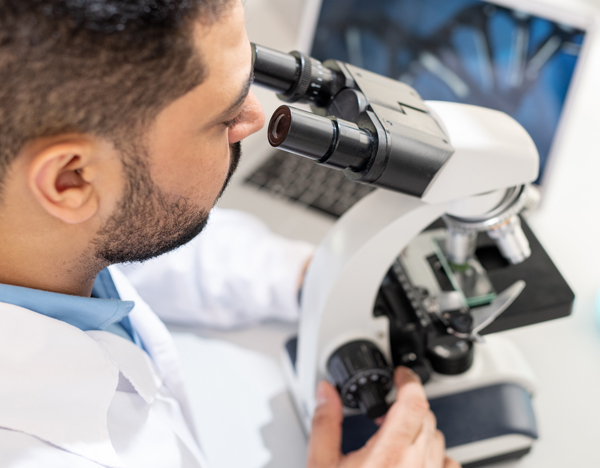
About Our PKD Program
Our program offers comprehensive evaluation and long-term management for patients with:
- Autosomal Dominant Polycystic Kidney Disease (ADPKD)
- Autosomal Recessive Polycystic Kidney Disease (ARPKD)
- Other genetic and cystic kidney disorders
Conditions We Treat
- Autosomal Dominant Polycystic Kidney Disease (ADPKD)
- Autosomal Recessive Polycystic Kidney Disease (ARPKD)
- Genetic and inherited kidney disorders
- Chronic kidney disease related to PKD
- Hypertension related to kidney disease
- Complex kidney cyst disorders
- Kidney failure related to PKD
Our Services
- Comprehensive PKD-focused evaluation and diagnosis
- Genetic counseling and family risk assessment
- Blood pressure optimization and kidney function monitoring
- Advanced imaging and cyst burden tracking
- Disease-modifying therapies to slow progression (when appropriate)
- Management of PKD-related complications (pain, cyst infections, etc.)
- Dialysis planning and transition of care when needed
- Kidney transplant evaluation and post-transplant coordination
- Long-term nephrology follow-up
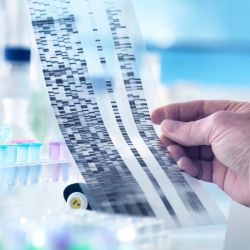
What to Expect Over Time
PKD typically progresses slowly over many years. Some individuals maintain normal kidney function for decades, while others may experience a gradual decline.
As the condition advances:
- Kidney function may decrease
- Blood pressure may become more difficult to control
- Symptoms such as pain or fatigue may increase
With early diagnosis, regular monitoring, and proper treatment, many patients can significantly slow the progression of the disease and maintain a high quality of life.
Treatment Options for PKD
While there is no cure for PKD, treatment focuses on slowing disease progression and managing symptoms.
Treatment may include:
- Blood pressure control (a key factor in slowing kidney damage)
- Medications to reduce cyst growth in eligible patients
- Pain management strategies
- Treatment of infections or kidney stones
- Advanced care planning, including dialysis or transplant when needed
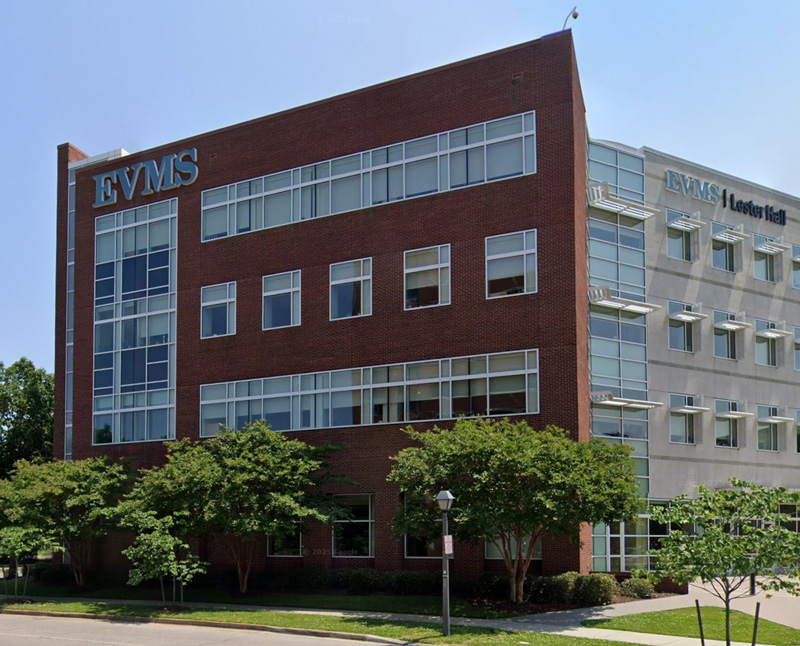
The Center for Hereditary Kidney Diseases is an educational initiative within the Division of Nephrology at Eastern Virginia Medical School, supported by Nephrology Associates of Tidewater. The center plays an important role in advancing education and training for fellows, residents, and medical students, with a focus on the diagnosis and management of hereditary kidney conditions. Through this collaboration, NAT helps support the development of future providers while promoting continued learning and excellence in nephrology care.
As part of being a part of the PKD Center of Excellence, we are engaged in clinical research for hereditary diseases such as PKD and APOL1
Our Commitment
Our goal is to provide early detection, expert management, and long-term kidney protection through a structured and proactive approach to PKD care. As a recognized Center of Excellence, we bring together specialized expertise, advanced therapies, and coordinated care to deliver the best possible outcomes for our patients.