
CHRONIC KIDNEY DISEASE (CKD)
What is Chronic Kidney Disease?
Chronic Kidney Disease (CKD) is a long-term condition where the kidneys gradually lose their ability to function over time. As kidney function declines, waste, fluid, and toxins can build up in the body.
CKD often develops slowly and may go undetected in early stages. Early detection is key, allowing for timely intervention, better management, and the ability to slow or prevent progression.
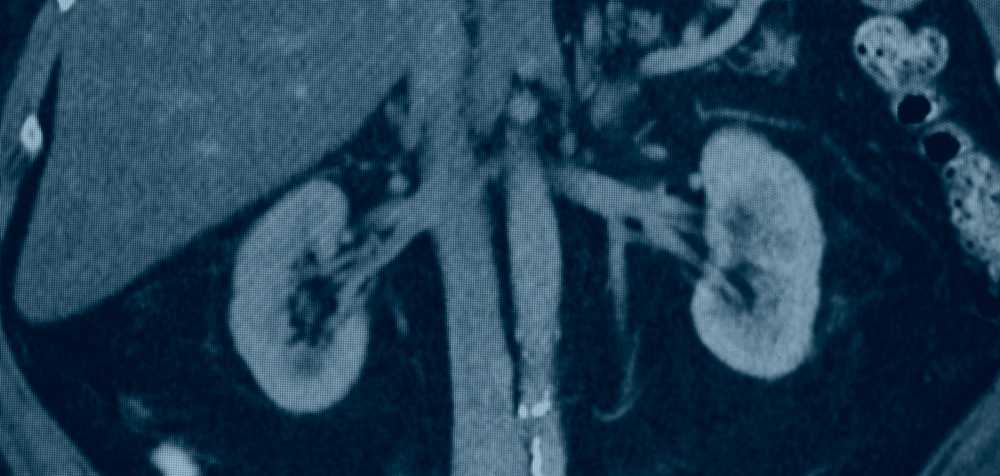
Why Kidney Function Matters
The kidneys play a key role in maintaining overall health.
They are responsible for:
- Filtering waste and excess fluid from the blood
- Regulating blood pressure
- Balancing electrolytes and minerals
- Supporting red blood cell production
- Maintaining bone health
When kidney function is reduced, it can impact multiple systems throughout the body.
Common Causes of CKD
CKD is most often caused by conditions that place ongoing strain on the kidneys over time.
Common causes include:
- Diabetes
- High blood pressure (hypertension)
- Heart disease
- Glomerulonephritis and other autoimmune conditions
- Polycystic kidney disease
- Long-term use of certain medications
- Recurrent urinary or kidney-related conditions
Stages of Chronic Kidney Disease
CKD is categorized into five stages based on kidney function (eGFR), which measures how well the kidneys are filtering blood.
STAGE 1
Kidney damage is present, but function remains normal. This stage is often identified through lab findings such as protein in the urine. Early detection is key to preventing progression.
STAGE 2
Mild decrease in kidney function. Patients may still feel well, but underlying conditions like high blood pressure or diabetes should be closely managed to protect kidney health.
STAGE 3
Moderate loss of kidney function. Waste products may begin to build up, and patients require closer monitoring, medication adjustments, and management of complications.
STAGE 4
Severe reduction in kidney function. At this stage, careful planning for advanced treatment options, including dialysis or transplant, becomes important.
STAGE 5
Kidney failure. The kidneys are no longer able to adequately support the body’s needs, and dialysis or kidney transplant is typically required for ongoing care.
Early identification allows for better management and can significantly slow progression.
Diagnosis and Monitoring
CKD is typically identified through routine lab work and ongoing monitoring.
Evaluation may include:
- Blood tests to assess kidney function (creatinine and eGFR)
- Urine testing to detect protein or albumin
- Blood pressure monitoring
- Imaging when indicated
CKD is defined as kidney damage or decreased function lasting three months or longer.
Treatment and Management
While CKD is not always reversible, it can be effectively managed with the right care plan.
Treatment focuses on slowing progression and preserving kidney function:
- Managing blood pressure and blood sugar
- Adjusting medications to protect the kidneys
- Monitoring fluid and electrolyte balance
- Addressing complications such as anemia or bone disease
- Coordinating care across your healthcare team
With early detection and consistent management, many patients are able to maintain stable kidney function for years.
Why Choose Nephrology Associates of Tidewater
Our team provides comprehensive, patient-centered care for all stages of chronic kidney disease. We focus on early detection, individualized treatment plans, and ongoing monitoring to help protect kidney function and prevent progression.
We work closely with patients and referring providers to ensure coordinated, high-quality care across every stage of the disease.