
ACUTE KIDNEY INJURY
What is Acute Kidney Injury?
Acute Kidney Injury (AKI), sometimes referred to as acute renal failure, is a sudden decline in kidney function that occurs over hours to days. When the kidneys are not working properly, waste products, fluids, and electrolytes can build up quickly in the body.
AKI can range from mild and reversible to more serious conditions that require close monitoring or temporary dialysis. Early recognition and treatment are key to preventing long-term kidney damage.
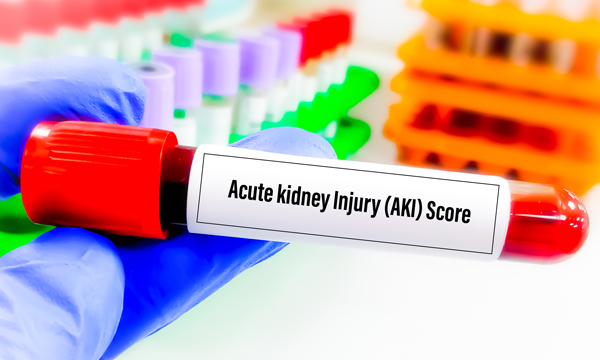
Common Causes of AKI
AKI can develop for several reasons, often related to changes in blood flow, direct kidney injury, or obstruction of urine flow.
Common causes include:
- Dehydration or significant fluid loss
- Severe infections (sepsis)
- Low blood pressure or reduced blood flow to the kidneys
- Heart conditions affecting circulation
- Certain medications (including NSAIDs, antibiotics, and contrast dye)
- Urinary tract obstruction (kidney stones, enlarged prostate)
- Complications from surgery or hospitalization
Signs and Symptoms
Symptoms of AKI are not always obvious, especially in early stages. When present, they may include:
- Decreased urine output
- Swelling in the legs, ankles, or face
- Fatigue or weakness
- Shortness of breath
- Nausea or confusion
- Changes in blood pressure
Because symptoms can be subtle, AKI is often detected through lab work.
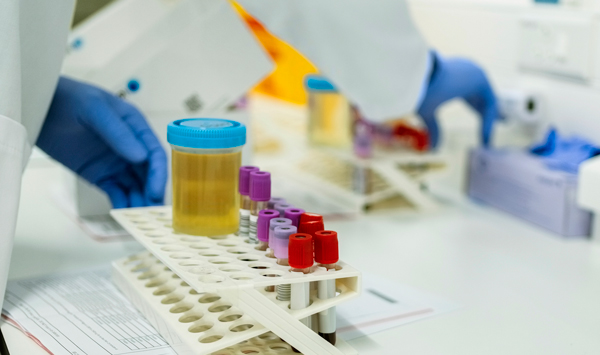
How AKI is Diagnosed
AKI is typically diagnosed through blood and urine testing. Your provider may evaluate:
- Creatinine levels (to assess kidney function)
- Blood urea nitrogen (BUN)
- Electrolyte levels
- Urine output and urinalysis
In some cases, imaging studies such as ultrasound may be used to evaluate for obstruction or structural concerns.
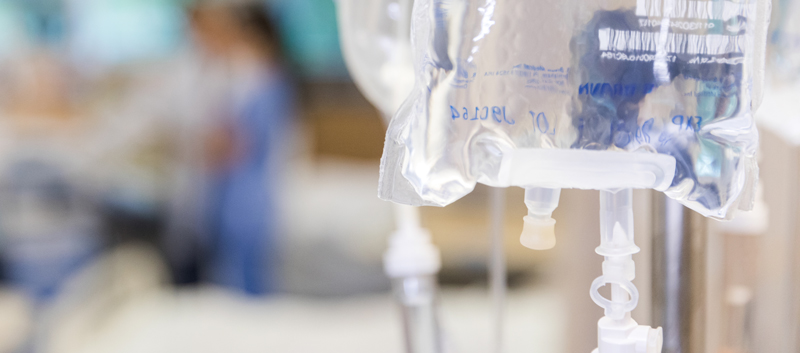
Treatment Options
Treatment for AKI focuses on identifying and addressing the underlying cause while supporting kidney function.
Depending on the severity, treatment may include:
- IV fluids to restore hydration
- Adjusting or stopping medications that may be affecting the kidneys
- Treating infections or underlying medical conditions
- Managing electrolyte imbalances
- Monitoring fluid balance closely
- Temporary dialysis in more severe cases
Many cases of AKI are reversible with prompt treatment.