
HIGH BLOOD PRESSURE
Kidney-Focused Blood Pressure Management
High blood pressure is one of the most common conditions affecting adults—and one of the leading causes of kidney disease. Because the kidneys play a critical role in regulating blood pressure, even mild elevations over time can lead to kidney damage, while kidney disease itself can make blood pressure harder to control.
At Nephrology Associates of Tidewater, we specialize in managing high blood pressure from a kidney-focused perspective, particularly in patients with chronic kidney disease (CKD), fluid imbalance, or difficult-to-control blood pressure.

The Kidney–Blood Pressure Connection
The kidneys help regulate blood pressure by controlling fluid balance, sodium levels, and hormone signaling. When blood pressure is elevated, it places strain on the small blood vessels within the kidneys, reducing their ability to filter waste and excess fluid effectively.
Over time, this can lead to:
- Progressive decline in kidney function
- Protein leakage in the urine
- Fluid retention and worsening blood pressure
- Increased risk of kidney failure
In many patients, high blood pressure and kidney disease exist together and must be managed simultaneously to prevent long-term complications.
Kidney-Related High Blood Pressure We Treat
- High blood pressure associated with chronic kidney disease (CKD)
- Resistant high blood pressure requiring multiple medications
- Fluid-related (volume-dependent) high blood pressure
- High blood pressure caused by underlying kidney conditions such as glomerulonephritis or polycystic kidney disease
- Renal artery–related high blood pressure affecting blood flow to the kidneys
If left untreated, kidney-related high blood pressure can accelerate kidney damage and increase the risk of cardiovascular complications.

Our Approach to Diagnosis & Treatment
We go beyond routine blood pressure checks to evaluate the underlying cause—especially when kidney involvement is suspected.
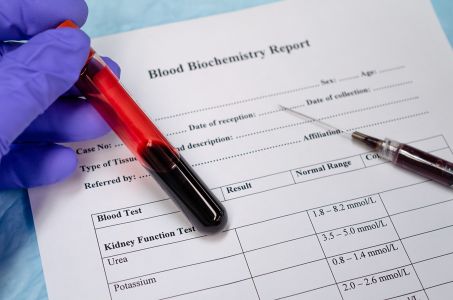
Evaluation may include blood and urine testing, kidney function assessment, medication review, and ongoing monitoring of blood pressure trends.
Treatment may include:
- Kidney-protective blood pressure medications
- Adjustment of medications that may worsen kidney function or fluid balance
- Sodium and fluid management guidance
- Treatment of underlying kidney conditions
- Long-term monitoring to slow progression of kidney disease
For patients with advanced kidney disease, care may also include preparation for dialysis or coordination with transplant services when appropriate.
What to Expect Over Time
High blood pressure is typically a long-term condition, especially when linked to kidney disease. With consistent management, most patients can maintain stable blood pressure and slow the progression of kidney damage.
Our team works closely with each patient to adjust treatment as needed, ensuring both blood pressure control and kidney health remain the priority.